
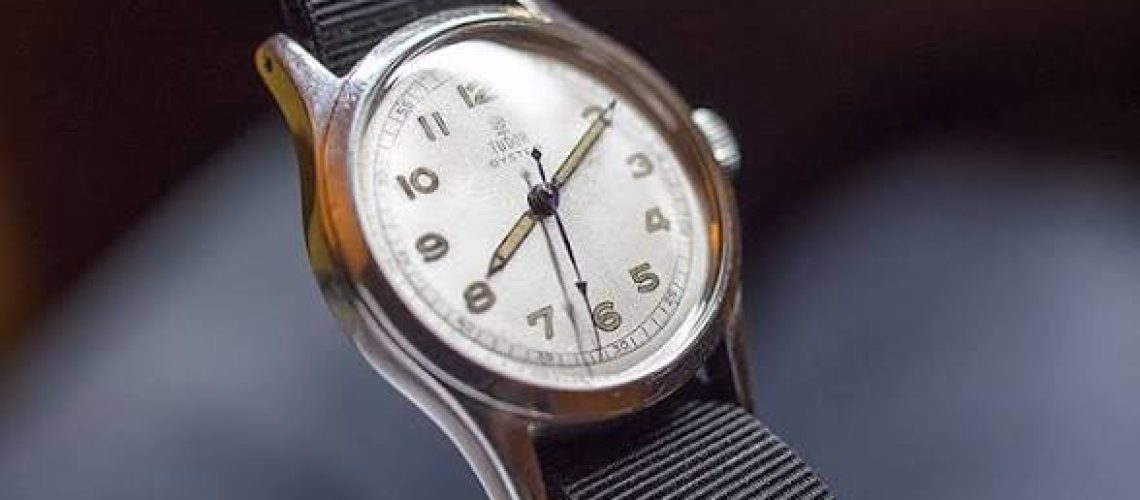

Look straight down at a watch with a tall domed acrylic crystal and the dial may appear perfectly ordinary. Tilt your wrist and the minute track can start to bend near the edge. A marker seems to slide under the curve, then snaps back into place as you turn the watch toward you. That little change can be a big part of why someone picks one version of a watch over another.
Acrylic watch crystals still have fans because they can give a watch a distinctive profile, preserve the look of a vintage design, and let owners polish away many light scratches. They also pick up marks more readily than sapphire. Whether that trade feels worthwhile depends on what you notice first when you look down at your wrist. Some people want the crystal to disappear. Others like seeing what the dome does to the dial. Timex’s guide to watch crystal materials · Hodinkee’s guide to watch crystals
What Is an Acrylic Watch Crystal?
The crystal is the transparent cover over the dial. An acrylic watch crystal is made of clear plastic. In watch listings, you may also see it called plexi or plexiglass. Hesalite is the name Omega uses for the acrylic crystal on certain Speedmaster models. If a seller calls a crystal “domed,” they are describing its shape. Acrylic, mineral glass, and sapphire can all appear in curved profiles, so the word “domed” alone tells you little about the material. Hodinkee’s guide to watch crystals · Omega Moonwatch Hesalite specifications
This distinction matters when shopping online. A listing may say “original-style domed crystal” and leave you with two open questions. What is it made of, and has it been replaced? The first is a specification. The second is a question about the history of that particular watch. Ask for the reference number and any service records the seller has. A reference can help establish what the watch was designed to use, while a service invoice may help establish what is in it today.
Why Collectors Like the Look of Domed Acrylic
The edge of the dial changes as you move
The most noticeable effect on a high-domed crystal often appears around the perimeter. Look at the minute markers and dial printing near the edge, then tilt the watch away from you. Depending on the crystal’s curve and its position above the dial, those details may appear stretched or compressed. On a watch with a simple dial, that shift can add a lot of visual interest. On a crowded chronograph, the same effect might make the outer scale harder to read at a glance. Hodinkee’s guide to watch crystals
When collectors describe acrylic as having a “warm” look, treat that as a description of what they see. The shape of the crystal, the dial finish, and the lighting all affect the impression. If you are deciding between two watches from listings, a short video in ordinary daylight can tell you more than a straight-on studio shot. Watch what happens around the edge as the seller turns the case. You’ll see whether the effect makes you want to keep looking or makes you wish the dial were easier to read.
The crystal changes the shape of the watch
A watch’s silhouette includes everything you see from the side, including how far the crystal rises above the bezel. A tall dome can make the top of a simple case look rounded and give a dress watch a distinctly different profile from a watch with a nearly flat crystal. The published thickness gives you one measurement. The side photo shows you where that height actually sits and how it changes the watch’s shape.
This is worth noticing if you wear a watch under a cuff. Two watches with similar overall heights can have very different profiles. With a dome, you may see a relatively slim case and a visible rise above the bezel. With a flatter crystal, more of the height may sit in the case itself. If the profile is part of what attracted you to a vintage reference, inspect it closely on the actual example you’re buying.
The look belongs to specific watches
The Omega Speedmaster Moonwatch Professional ref. 310.30.42.50.01.001 uses a Hesalite crystal. If you’re drawn to that particular version, its crystal is one of the details you’ll see every time you wear it. Compare a straight-on photo with a side view and decide how much that detail matters to you before choosing a Moonwatch by name alone. Omega Moonwatch Hesalite specifications
Timex offers a different example with the Q Timex Reissue Dégradé. Its domed acrylic crystal has interior facets, so the crystal contributes to how the dial looks as it catches the light. Those facets are part of this specific design. You can see why a brand would choose acrylic for a reissue when the crystal itself is one of the features it is trying to bring back.
Acrylic vs. Sapphire vs. Mineral Watch Crystals
All three materials do the same basic job of covering the dial. The differences show up when you wear the watch, look at it from the side, or deal with the first scratch. The comparison below focuses on what you’re likely to care about as an owner.
|
If scratches distract you and you want a daily watch that keeps its clean appearance with minimal attention, sapphire has an obvious appeal. Acrylic makes more sense when the crystal’s profile is part of what drew you to the watch and you’re comfortable dealing with light wear. Mineral glass offers another option if you simply like the watch and its crystal material sits lower on your list of priorities.
Scratch resistance also tells you only how readily the surface marks. Impact damage is a different question. A deep gouge or crack deserves a closer look regardless of the material, and the ability to improve a light scratch with polish tells you little about the condition of the rest of the watch.
Can You Polish Scratches Out of an Acrylic Watch Crystal?
Yes, many light scratches can be reduced or removed with a polish made for plastic watch crystals. PolyWatch Plastic Polish is one example. The product is intended for plastic crystals, so identify the material before applying it and follow the manufacturer’s directions. Start by looking at the crystal under angled light. If the scuff only appears when the light hits it a certain way, you may find that it bothers you less in normal wear than it did in the seller’s close-up.
A crack, a chip at the edge, or a crystal that appears loose calls for a watchmaker’s assessment. The same goes for haze that you suspect is on the inside. Surface polishing addresses marks on the outside of the crystal. If you’re unsure where the problem is, ask a watchmaker to diagnose it before deciding between polishing and replacement.
For a vintage piece, there’s also a judgment call about how much wear you want to remove. If you can read the dial and the marks look acceptable to you, you can leave the crystal as it is. If several scratches catch the light every time you check the time, a polish may make the watch more enjoyable to wear. The condition you should aim for is the one you’ll be happy to live with.
What to Check Before Buying a Watch With an Acrylic Crystal
Ask for photos that show the edge
A straight-on image is useful for seeing the dial, but one photo can hide scratches and leave the crystal’s profile unclear. Ask for an angled shot in soft light and a side profile with the bezel visible. Look for chips along the perimeter, unusually cloudy areas, and gaps or uneven seating that deserve a closer inspection. If a line could be either a scratch or a reflection, a second shot at a different angle can help you tell the difference.
Ask what was replaced during service
On a vintage watch, the crystal you see today may be a service replacement. There are three possibilities worth distinguishing when they matter to you as a buyer. The watch could retain the crystal it originally left the factory with, it could have a genuine replacement installed later, or it could have an aftermarket part. Ask what documentation supports the seller’s description. A watch can present well with a replacement crystal, especially if it matches the intended profile. Price negotiations get easier when both sides are clear about what is known.
Check the crystal’s shape against the reference
If the case looks right but the watch feels visually different from other examples, look at how the crystal sits above the bezel. A replacement with a different profile can change the view of the dial around the perimeter. Compare with documented examples of the exact reference, and remember that camera angle can exaggerate apparent height. For a watch you care about keeping close to its original specification, confirm the fit and profile with a watchmaker before paying a premium for a seller’s description.
Verify water resistance separately
A clear crystal can look excellent in photos while telling you very little about the watch’s sealing. If water resistance matters to how you plan to wear a pre-owned watch, ask for a recent pressure test and find out what conditions the test covered. An original rating describes the watch’s specification. A current test addresses the condition of the individual watch at the time it was checked.
Frequently Asked Questions About Acrylic Watch Crystals
Does an acrylic crystal make a watch less desirable?
It depends on the reference and what you value. On a vintage design or a reissue known for its dome, acrylic may be exactly what you want. On an everyday watch you expect to keep looking clean with little upkeep, sapphire may fit your priorities better. Evaluate the crystal in the context of the watch and how often you expect to wear it.
Is Hesalite the same as sapphire?
Hesalite is acrylic. Omega’s Hesalite Moonwatch is a useful example because an unfamiliar material name can obscure what you’re getting. If a listing simply says “Moonwatch,” check the full reference and specifications before buying.
Can you identify acrylic just by looking at it?
The shape and wear can offer clues, but a dome alone does not identify the material. Start with reliable specifications for the exact reference, then check service records or ask a watchmaker if you suspect a replacement. Avoid trying to confirm the material by scratching the crystal.
Is a scratched acrylic crystal a dealbreaker on a vintage watch?
A few surface marks may be an easy condition issue to live with or improve. A crack, chip, loose fit, or extensive haze is a reason to get a closer look and price out the work if needed. If a particular crystal profile is important to the design, also check whether a correct replacement is available before buying.
Is an Acrylic Watch Crystal Right for You?
Think about the last watch you tried on that looked better in person than in the listing. It might have been the dial color, the way the case fit, or how the crystal caught the light when you moved your wrist. Acrylic still has fans because that last detail can materially change how a watch looks from the angles you actually see throughout the day.
If you’re considering a vintage watch or a modern reissue, ask for a side view and a short video before you decide. Look at the dial straight on, then watch what happens when it tilts. If you like the view and you’re comfortable with the upkeep, the acrylic crystal may turn out to be one of your favorite parts of the watch.
Shopping for a vintage watch or comparing two versions of the same reference? Ask Tailored Timepieces about the crystal’s condition, profile, and any documented replacement history before you decide