

Depreciation is treated like a dirty word in luxury watches. Most buyers are taught to avoid it at all costs. That mindset is incomplete.
Depreciation is not the enemy. Misunderstanding depreciation is.
When used correctly, depreciation becomes a strategic lever. It allows you to buy higher quality, minimize downside risk, and quietly position yourself ahead of most retail buyers.
This article explains how depreciation actually works in the watch market, why it exists, and how disciplined buyers use it to their advantage.
What Depreciation Actually Means in Watches
In simple terms, depreciation is the difference between retail price and true market value over time.
In watches, depreciation is driven by:
- Retail markups
- Brand positioning
- Production volume
- Demand cycles
- Condition and completeness (box, papers, service history)
Most depreciation occurs immediately after first purchase. The steepest drop is typically within the first 12–36 months.
After that, the curve flattens.
This is where opportunity lives.
The Retail Trap Most Buyers Fall Into
Retail buyers pay for:
- Warranty
- Boutique experience
- Brand-new condition
- Emotional immediacy
What they often don’t realize is that:
- The market rarely values “brand new” as highly as retail does
- The watch loses resale value the moment it leaves the boutique
- Scarcity and desirability are determined outside the retail environment
This is why the secondary market exists — and thrives.
The Depreciation Curve (And Where You Want to Enter)
A simplified depreciation curve looks like this:
- Retail Purchase: Highest price, highest risk
- Early Ownership (1–3 years): Sharp value drop
- Market Floor: Price stabilizes
- Collector Phase: Gradual appreciation or value retention
Your advantage comes from entering at Stage 3, not Stage 1.
At this point:
- The market has already absorbed the depreciation
- Price discovery has occurred
- Liquidity improves
- Downside risk is limited
Why Some Watches Depreciate More Than Others
Not all depreciation is equal.
1. Brand Strategy
High-production brands and heavily marketed models tend to depreciate more aggressively.
2. Volume
Limited production or discontinued models often stabilize faster.
3. Style Volatility
Trendy designs age faster. Timeless designs stabilize sooner.
4. Case Material
Precious metals typically depreciate harder than steel due to higher retail premiums.
5. Condition Sensitivity
Minor wear matters less once a watch is already pre-owned.
Brands Where Depreciation Can Work
For
You
Omega
Omega is a textbook example of strategic depreciation.
- Strong brand heritage
- High production volume
- Excellent movements
- Significant secondary discounts
Buying pre-owned often gives you:
- Master Chronometer calibers
- Iconic designs
- Prices far below retail with minimal long-term downside
Cartier
Cartier watches — especially Tanks, Santos, and Baignoires — frequently depreciate early and stabilize later.
- Design-driven demand
- Long-term cultural relevance
- Strong collector cycles
Depreciation allows access to iconic design at rational prices.
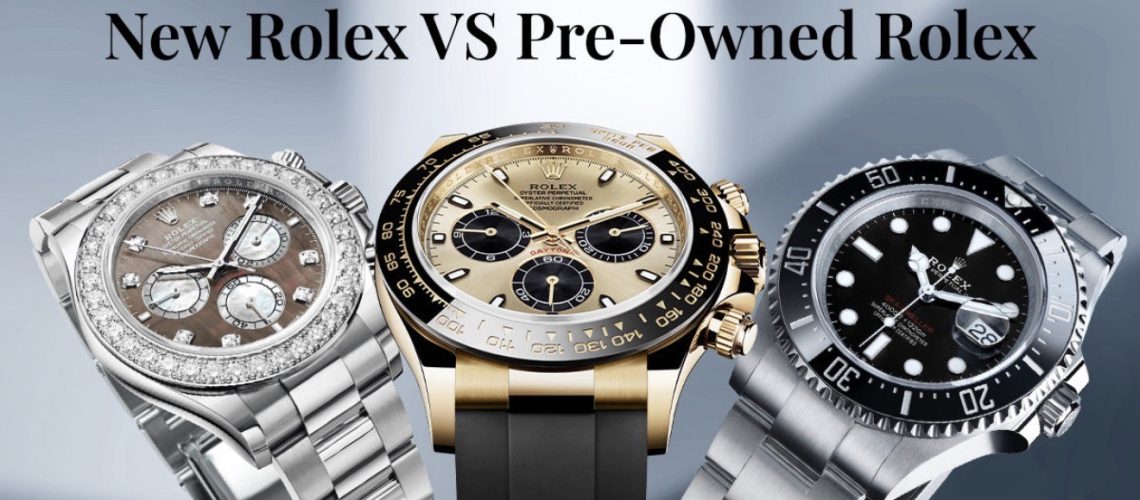
Rolex
Rolex behaves differently.
- Lower depreciation on steel sports models
- Higher depreciation on precious metal, two-tone, and dress references
This creates opportunities within the brand, not outside it.
Using Depreciation to Upgrade Your Tier
One of the most overlooked benefits of depreciation is vertical movement.
Instead of buying:
- A new entry-level watch
You can often buy:
- A higher-tier watch from the same brand
- Or a superior watch from a stronger manufacturer
Depreciation shifts the value equation in your favor.
The “Second Owner Advantage”
Second owners benefit from:
- Price discovery already complete
- Market sentiment established
- Reduced emotional premium
- Clear resale expectations
The watch no longer needs to prove itself. The market already has.
This reduces uncertainty — the real risk in luxury purchases.
Depreciation vs. Damage: Know the Difference
Depreciation is not:
- Mechanical failure
- Abuse
- Over-polishing
- Missing parts
You must separate:
- Market depreciation (normal)
- Condition loss (avoidable)
A well-bought depreciated watch can outperform a poorly bought “investment” piece.
Timing Matters More Than Trends
Buying after hype fades is often better than chasing momentum.
Indicators that depreciation has finished:
- Prices flatten across multiple dealers
- Inventory moves steadily, not instantly
- Listings cluster tightly in price
- Fewer “must sell” discounts appear
This is where disciplined buyers operate.
Depreciation as Risk Management
Viewed correctly, depreciation is a form of insurance.
By buying at or near market floor:
- Your downside is capped
- Your upside is optional
- Liquidity improves
- Exit scenarios become realistic
This is not speculation. It’s positioning.
Common Mistakes When Trying to “Use” Depreciation
- Buying unpopular references without liquidity
- Ignoring service costs
- Overpaying for “cheap” watches
- Assuming all depreciated watches will rebound
- Confusing rarity with desirability
Depreciation creates opportunity — not guarantees.
The Long View: Watches as Durable Assets
Watches are not stocks.
They are not bonds.
They are not guaranteed investments.
But when depreciation is understood and respected, they can become:
- Durable stores of value
- Liquid luxury assets
- Tools for upgrading over time
- Personal objects with controlled financial exposure
Final Perspective
Retail buyers pay for certainty in the moment.
Strategic buyers use depreciation to buy certainty over time.
If you understand where the value curve flattens, you stop chasing hype and start building leverage — quietly, patiently, and on your own terms.
Frequently Asked Questions
Is depreciation always bad in watches?
No. Depreciation is often the mechanism that creates value opportunities.
Should I only buy watches that appreciate?
Insufficient data to verify consistent appreciation across all market cycles. Value retention is a more reliable goal.
Are pre-owned watches riskier?
Only if condition, service history, and authenticity are ignored.
Do all brands behave the same?
No. Brand strategy and production volume heavily influence depreciation patterns.
Is depreciation predictable?
Broad patterns exist, but exact timing varies by reference and market cycle.
Key takeaway:
Depreciation is not something to fear. It’s something to understand — and use deliberately.