
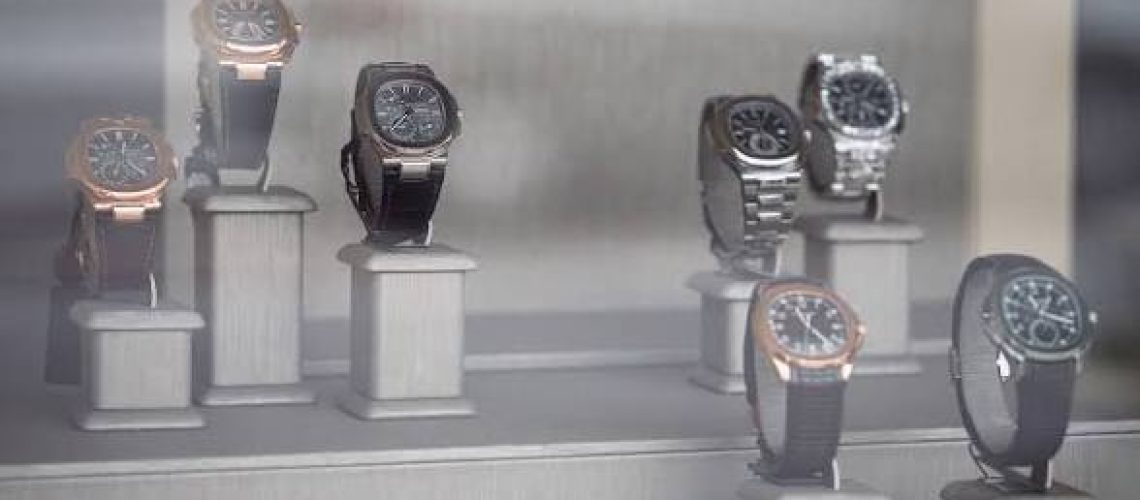

Buying a pre-owned luxury watch often starts with a reference number and ends with a decision about whom to trust. Two listings may appear to offer the same watch, yet one comes from a professional watch dealer and the other from an individual owner. The private listing might have a lower asking price. The dealer listing might include detailed photography, a return window, or support after the sale. Which is the better buy?
There is no universal answer. The right choice depends on the particular watch, the people involved, the documentation available, and the terms of the transaction. A dealer is not automatically careful, and a private seller is not automatically risky. What matters is whether you can establish what you are buying, what happens if the description is wrong, and what the total transaction will cost you.
At Tailored Timepieces, we think the most useful comparison goes beyond the sticker price. Here is how to evaluate both routes before you buy a pre-owned or vintage watch.
What Is the Difference Between a Watch Dealer and a Private Seller?
A watch dealer buys, sells, sources, or consigns watches as a business. Dealers vary widely. Some specialize in vintage watches, some carry modern pieces, and some sell through marketplaces alongside their own websites or appointments. The services and obligations attached to a sale depend on that dealer’s written terms and the platform used.
A private seller is an individual selling a watch from their own collection. They may know its complete history, or they may have acquired it recently. Some are experienced collectors with excellent records. Others are selling their first watch and may not know which details a buyer needs to check.
The distinction tells you something about how the sale is organized. It does not tell you, by itself, whether a particular watch is authentic, original, accurately described, or fairly priced. Those questions need evidence.
The Price Tag Is Only the Starting Point
Private sellers may ask less than dealers because their sale does not necessarily include the same business costs or services. But asking price is only one part of the comparison. Before deciding that one listing is cheaper, find out what you would actually receive.
Consider a hypothetical watch offered privately for $8,000 and by a dealer for $8,600. The $600 gap is meaningful, but it does not settle the question. Does either watch need a bracelet link, a strap, or service? Are the dials, hands, bezels, and cases in comparable condition? Does one sale include the original accessories and the other exclude them? Are shipping, insurance, taxes, payment fees, or a platform’s buyer protections different?
Two watches with the same reference number are not necessarily equivalent. One might have substantial polishing, a replacement part, damage that is hard to see in photographs, or no credible service history. Another might simply be priced higher than the market will support. The job is to compare the actual examples and the transaction terms, not just the numbers in the titles.
Ask each seller for an itemized description of what is included and what costs extra. If a lower price requires you to assume uncertainty about condition or a potential service bill, treat that uncertainty as part of the price decision. Do not invent a service estimate; obtain one from a qualified watchmaker when the amount could change your choice.
Condition Matters More Than a Polished Listing
Good photography helps, but a beautiful photograph cannot prove how a movement performs or what lies beneath a caseback. Conversely, an ordinary phone photo does not prove the watch is poor. Request the evidence you need for that specific model.
For a modern watch, that may include clear views of the dial, hands, case sides, lugs, bezel, bracelet, clasp, and identifying marks where appropriate. Ask whether parts were replaced, the case was polished, the bracelet was sized, or the watch has had a recent service. For a vintage watch, originality and period-correct details can be particularly significant to a buyer. A replacement dial or hands may be acceptable to one collector and a deal breaker to another.
Descriptions such as “mint,” “unpolished,” and “all original” deserve follow-up. Ask the seller what they mean and what supports the claim. A seller can know a watch’s history only as far back as their records or firsthand experience allow. If the answer is “I don’t know,” that is useful information. It should not be converted into an assurance.
Request close-up photographs under ordinary lighting and ask about scratches, dents, chips, moisture damage, and any functional issues. If the images leave an important detail unclear, arrange an inspection before committing. A condition report from an independent professional can be more valuable than another round of adjectives.
Authentication and Seller Reputation
Authentication is not a single yes-or-no question answered by a box, card, or reassuring message. The watch itself, its components, identifiers, and available records should make sense together. A genuine watch can still contain replacement or aftermarket parts, and original accessories can become separated from their original watch. Ask what has actually been inspected and by whom.
When buying from a dealer, look at the dealer’s track record, listing detail, written terms, and willingness to answer specific questions. Find out whether the watch is owned by the dealer or offered on consignment, who handles a problem after delivery, and what authentication or inspection took place. A business name or attractive website alone is not evidence that every claim in a listing has been verified.
When buying privately, establish that the person offering the watch can deliver the item described and has authority to sell it. Ask for current photographs that show requested details, discuss provenance without demanding sensitive personal information, and use a payment method whose protections you understand. If a listing uses photographs that the seller cannot explain or reproduce, pause until you know why.
For either route, independently check the watch and transaction when the stakes justify it. A recognized marketplace process or professional inspection may help, but read its scope and exclusions. Do not assume that a platform, appraiser, or seller has checked every component, every historical claim, or every future maintenance need.
Papers, Boxes, and Service Records
“Full set” is a common watch-listing phrase, but the contents vary. Ask for a precise inventory: watch, box, warranty card or certificate, manuals, tags, spare links, receipts, and any service paperwork. Confirm whether each item is original to that watch and whether the identifying information is consistent where it is visible and appropriate to share.
A watch without papers is not automatically inauthentic. A watch with papers is not automatically free of problems. Documentation can help you understand provenance and what work was done, but it has to be examined alongside the watch. A service receipt might establish that a service occurred at a particular time; it does not guarantee current performance or prove that no one worked on the watch afterward.
Private sellers sometimes have unusually strong documentation because they retained their purchase receipt, correspondence, and service history. Dealers may also assemble a helpful record and explain gaps plainly. Give credit for information that can be checked, whoever provides it, and avoid paying a premium for an ambiguous claim.
Returns, Warranties, and Support After Delivery
Before sending payment, read the actual return and warranty terms. Who pays insured return shipping? How many days do you have to report an issue? Does trying the watch on, sizing its bracelet, or removing a protective sticker affect eligibility? Is the warranty provided by the seller, manufacturer, marketplace, or another party? Which parts and problems does it cover?
A dealer may offer a return policy or a movement warranty, but these are not interchangeable. A return policy addresses whether you can unwind the purchase under stated conditions. A warranty addresses covered problems after a sale, subject to its terms. Neither should be assumed from the words “dealer sale.” Similarly, a private sale may have clear written protections through a marketplace, while another may be final with little practical recourse.
Tailored Timepieces offers a one-year movement warranty, subject to the applicable sale terms. Buyers should still read the coverage and ask us about any point that is unclear. No warranty should be taken to promise that a vintage mechanical watch will keep time like a phone or that every component and form of damage is covered.
Support also includes how a seller responds when something does not go as expected. Ask who will be your point of contact, how an issue will be documented, and what steps come before a repair. Get important answers in writing. That protects both buyer and seller from relying on different memories of the conversation.
The Particular Risks of Buying a Vintage Watch
Vintage watches bring a different set of trade-offs from current-production pieces. Decades of ownership can include routine service, replacement parts, refinishing, case polishing, and repairs that were not recorded. Even an honest seller may be unable to reconstruct every step.
If you value originality, say exactly which parts matter to you. Do you require an original dial and hands? Are period-correct service components acceptable? How much case wear or polishing can you tolerate? A seller cannot answer your priorities until you communicate them.
Function deserves equal attention. Ask whether the watch winds, sets, runs, and operates its complications as expected. Ask how and when it was last checked. If water exposure is part of your plans, seek a current assessment from a qualified professional before relying on any historical water-resistance rating. Age, gaskets, past repairs, and current condition matter.
A vintage specialist or a knowledgeable private collector can each be a good source. Evaluate the example and the evidence rather than assuming one type of seller has a monopoly on expertise.
When a Private Seller May Be the Better Choice
A private sale can be compelling when the owner knows the watch well, supplies complete and consistent photographs, has useful purchase and service records, and agrees to a transaction process that gives you enough time to inspect it. It can also offer access to an example that a dealer does not currently have.
The advantage is strongest when you understand the reference, can recognize material condition differences, and have a plan for an independent inspection if needed. A lower asking price then may reflect a real opportunity. The seller’s credibility still needs to be established, and the agreed terms should be written down before money moves.
If the seller cannot answer a technical question, that alone does not mean they are acting in bad faith. You can decide whether to verify the point independently, negotiate based on the uncertainty, or walk away. The decision should match your tolerance for risk and the watch’s price.
When a Dealer May Be the Better Choice
A dealer can be especially useful when you want help comparing references, locating a particular configuration, discussing condition, or resolving a documented issue after delivery. A specialist may be able to identify details that a casual seller has overlooked. Clear photographs, a careful description, transparent terms, and responsive communication have value.
Those benefits are specific to the dealer who actually provides them. Ask what has been checked on the exact watch, which statements are based on records, and which are the dealer’s assessment. Confirm what support is included in the quoted price. If those answers are thin, the existence of a storefront does not justify an unexplained premium.
A dealer relationship can matter beyond one transaction if you regularly buy, sell, or trade. Still, never let a pleasant relationship replace a written description of the watch and sale terms.
Questions to Ask Before Buying From Either Seller
Use this checklist when you compare a dealer listing with a private watch sale:
1. What exactly is being sold? Confirm the brand, model, reference, configuration, included accessories, and any known replacement or aftermarket parts.
2. What is the watch’s condition? Request current photographs of the areas you care about and ask about polishing, damage, sizing, and functional concerns.
3. What is known about its history? Ask what the seller can document, what they know firsthand, and what remains unknown.
4. What inspection has been performed? Clarify who inspected the watch, what they checked, and whether you can arrange an independent assessment.
5. What is the complete price? Account for shipping, insurance, tax where applicable, and any immediate work you reasonably anticipate.
6. How will the watch be delivered? Agree on a secure payment method, insured shipping or a safe in-person handoff, and the point at which you can inspect it.
7. What happens if there is a problem? Read the written return, warranty, and dispute terms before paying.
If you cannot get a straight answer to a question central to your purchase, you have three reasonable choices: investigate further, price the uncertainty into your decision, or pass. There will be other watches.
Dealer vs. Private Seller: The Best Choice Is the Verifiable One
The best place to buy a luxury watch is the place where the specific watch and the terms of sale make sense to you. A private seller can offer a well-documented piece at an attractive price. A dealer can offer careful sourcing, useful expertise, and meaningful support. Either can also disappoint if the description is vague or the transaction is poorly handled.
Compare the complete offers. Look closely at condition, ask what is original and what is known, understand the paperwork, and put the practical protections in writing. A good purchase is one you can explain after the excitement of finding the watch wears off.
If you are weighing two examples or have questions about a watch we offer, contact Tailored Timepieces with the reference and the details that matter most to you. We can discuss the particular piece, its listed condition, what is included, and the applicable sale terms before you decide.
Frequently Asked Questions
Is it safer to buy a watch from a dealer?
It depends on the dealer, watch, and transaction terms. A reputable dealer may provide inspection, clear descriptions, returns, or warranty coverage. Verify what is actually offered. A well-documented private sale with a sound inspection process can also be a reasonable choice.
Are luxury watches cheaper from private sellers?
Some private listings have lower asking prices, but compare examples of similar condition and completeness. Add transaction costs and any likely immediate work before deciding which purchase costs less overall.
Should I buy a watch without its original box and papers?
That depends on the watch, your collecting goals, the available evidence, and the price. A missing box or card does not settle authenticity. Ask what can be verified about the watch itself and pay for only what is included.
Does a dealer warranty cover every problem?
No general rule applies. Read the specific written warranty for its duration, covered components, exclusions, claim procedure, and responsible party. Ask about anything that is unclear before buying.