
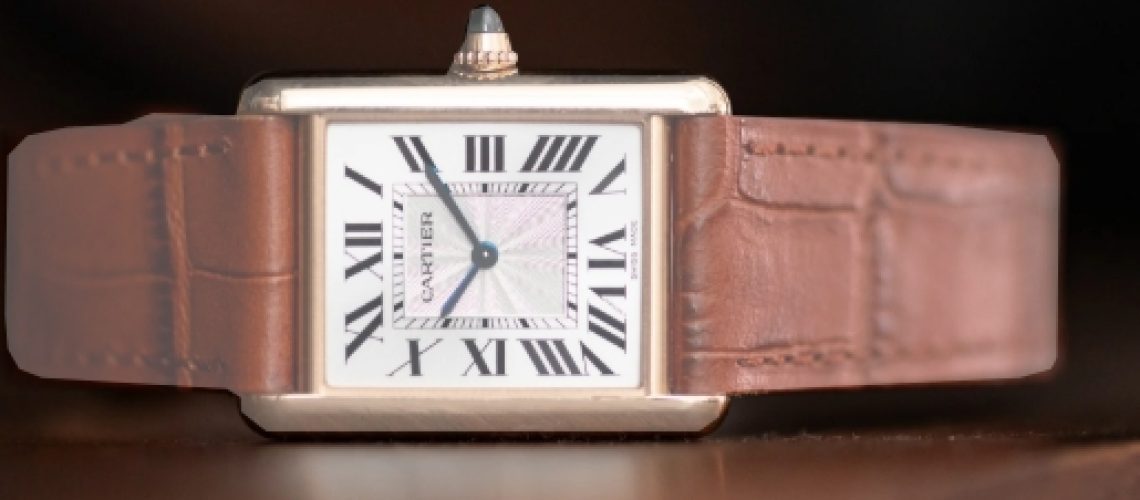

A watch at an event is not about telling time. It is about signaling taste, control, and awareness of setting. The wrong watch breaks the outfit. The right one completes it without asking for attention.
This is a breakdown of watches that consistently work across formal events, cocktail settings, and social gatherings—without overreaching.
1. The Classic Dress Watch (Formal Anchor)
Use case: Black tie, weddings, upscale dinners
Key traits:
- Slim profile (under ~10mm)
- Leather strap (black or dark brown)
- Clean dial, minimal complications
- Case size typically 36–40mm
Why it works:
It disappears under a cuff and signals restraint. At formal events, restraint is the objective.
Examples (style direction):
- Time-only
- Small seconds
- No chronograph, no dive bezel
2. The Steel Sports Watch (Versatile Default)
Use case: Cocktail parties, networking events, upscale casual
Key traits:
- Stainless steel bracelet
- Simple bezel (smooth or lightly detailed)
- Neutral dial (black, white, silver, blue)
Why it works:
This is the safest “any event” category. It balances presence and practicality without looking forced.
What to avoid:
- Overly large cases (>42mm in most settings)
- Loud colors or excessive polishing
3. The Two-Tone Watch (Elevated Social Option)
Use case: Celebrations, parties, nightlife events
Key traits:
- Steel + gold combination
- Champagne, black, or silver dial
- Medium case size (36–41mm)
Why it works:
Two-tone reads as intentional and slightly more expressive than steel, without crossing into excess.
Execution rule:
Match the tone with other metals (belt buckle, jewelry, glasses accents).
4. The Minimalist Modern Watch (Creative Settings)
Use case: Art events, gallery openings, creative industries
Key traits:
- Ultra-clean dial
- Unique but restrained design
- Often thinner cases, simple straps
Why it works:
Signals taste without relying on traditional luxury cues. Works when the environment values design over status.
5. The Statement Piece (Controlled Risk)
Use case: High-energy parties, nightlife, fashion-forward environments
Key traits:
- Larger presence or unique dial
- Recognizable design language
- Still proportionate to wrist
Why it works:
Used correctly, it becomes a conversation starter. Used incorrectly, it looks like compensation.
Constraint:
Only one statement per outfit. If the watch is loud, everything else must quiet down.
Selection Framework
Use this filter before choosing a watch for any event:
| Factor | Question |
|---|---|
| Dress Code | Is the event formal, semi-formal, or casual? |
| Lighting | Will the watch reflect excessively under lighting? |
| Sleeve Interaction | Does it fit under a cuff cleanly? |
| Attention Level | Should it disappear or stand out? |
| Outfit Balance | Is the watch adding or competing? |
Common Mistakes
- Wearing dive watches with suits
- Oversized cases dominating the wrist
- Flashy pieces at conservative events
- Rubber straps in formal environments
- Mismatched metals across accessories
Bottom Line
The best event watch is not the most expensive piece you own. It is the one that aligns with the room.
- Formal → Thin, minimal, leather
- Social → Steel or two-tone
- Creative → Clean, design-forward
- High-energy → Controlled statement
Precision in selection signals control. Control signals confidence.