
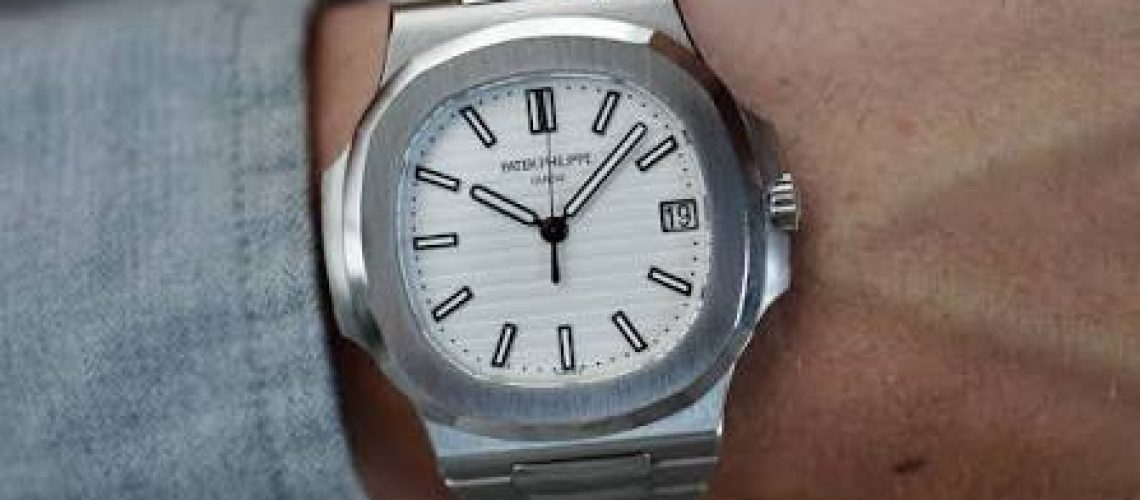

Ask a room of watch collectors to name their grail watch and you might hear a vintage Rolex Daytona, a Patek Philippe Nautilus, an Audemars Piguet Royal Oak, a discontinued Seiko, or a watch that belonged to somebody’s grandfather. Those answers have little in common on paper. That is precisely why the question is interesting.
The word grail used to suggest a watch that sat at the end of a long search: difficult to find, difficult to afford, or difficult to fully understand until your taste had developed. Now it can mean the watch someone wants this month. Scroll through watch listings and social media long enough and almost everything begins to look like somebody’s “grail.”
So have grail watches lost their meaning? The term has been stretched, but the idea behind it still matters. The problem begins when collectors let popularity, price, or someone else’s approval choose the destination for them.
What Is a Grail Watch?
A grail watch is a timepiece that holds unusually deep significance for an individual collector. It might represent an enduring design preference, a personal milestone, a connection to a period of watchmaking, or a search for a particular example in the right condition.
There is no official list of grail watches. There is also no minimum price. A watch can be widely available and still mean everything to the person pursuing it. Another watch can be extraordinarily rare and leave that same person cold.
For some collectors, the grail is one specific reference. For others, it is more precise than that: a certain dial, case material, production period, or combination of condition and provenance. The difference matters. Saying “I want a vintage chronograph” is a starting point. Knowing why one particular example makes sense for your collection is something closer to a grail.
The word describes your relationship with the watch. It does not certify the watch’s place in a universal ranking.
How the Meaning of “Grail Watch” Gets Diluted
Watch collecting has always involved admiration and comparison. Those instincts are part of the fun. You learn by seeing what other people wear, studying references you have never handled, and changing your mind as you go.
The trouble starts when admiration turns into an obligation to want the same things everyone else wants. A watch appears repeatedly in posts and videos. People call it iconic. Its price becomes a conversation in itself. Before long, a collector may be chasing the watch’s reputation more than the watch.
The vocabulary then changes along with the behavior. A “grail” becomes the next attainable upgrade, a recent release, or simply the most expensive piece on a wish list. There is nothing wrong with wanting any of those. Calling every strong preference a grail, though, makes it harder to express the difference between a passing fascination and a watch that has stayed with you for years.
Consider how often our tastes shift. A collector can spend months studying dress watches and then fall for a sports chronograph. That change is normal. The question is whether the new fascination has had time to survive beyond its first burst of excitement. A grail usually becomes clearer through repeated encounters, changing circumstances, and honest comparison with other watches.
Is a Grail Watch the Same as an Expensive Watch?
No. Price can make a watch harder to acquire, but difficulty alone does not give it emotional weight.
Imagine two collectors. One has dreamed for years of a modestly priced vintage watch similar to the one a parent wore. The other can afford a highly sought-after model but wants it mainly because it attracts attention online. The less expensive watch may be the more meaningful grail.
That does not make expensive grails less valid. A collector might love an intricate perpetual calendar, a historically important chronograph, or a hand-finished independent watch for reasons that have nothing to do with impressing anyone. Cost and significance can overlap. They simply are not interchangeable.
The distinction becomes useful when a purchase gets serious. If the price fell, would you still care about the watch? If the price rose, would you still want to wear it? If nobody else recognized it, would you continue looking for it? Your answers can reveal whether the attraction comes from the watch or from its market position.
When the Market Starts Defining the Dream
The pre-owned watch market makes it easier to study, compare, buy, and sell watches. It also puts a constant stream of asking prices in front of collectors. Even Rolex has a Certified Pre-Owned Programme for eligible second-hand watches sold through participating official retailers. That program reflects the established place of resale in the watch world; it does not tell anyone which watch should be their grail.
Once you follow listings every day, it is easy to think of a watch in terms of what it might be worth later. Resale value deserves consideration, especially when the purchase is substantial. But an exit price cannot tell you whether you enjoy the proportions, the dial, the movement, or the way the watch feels on your wrist.
There is another trap: treating every rise in asking price as proof that a watch was special all along. Asking prices are requests, and individual watches can differ considerably in condition, originality, completeness, and service history. A costly example does not automatically offer the qualities you set out to find.
At Tailored Timepieces, our view is that the best collecting decisions begin with the watch itself. Understand the reference. Examine the specific example. Know what you are paying for. Then decide whether it belongs in your life at that price. A grail should withstand that scrutiny.
Can a Watch You Already Own Be Your Grail?
Absolutely. The language of the hunt can make it sound as though a grail must always remain out of reach. But finding a watch does not erase the reason you wanted it.
Some collectors acquire the piece they chased for years and wear it constantly. Others discover that owning it feels different from imagining it. Both outcomes teach you something. The first confirms a lasting connection. The second shows that the anticipation carried more weight than the object, or that the watch works better in photographs than on your wrist.
There is no failure in learning that lesson. You can admire a design and decide it is not right for you. You can also love a watch for a decade and eventually move on. Collecting is personal, and people change.
What matters is resisting the pressure to invent a bigger goal the moment you reach one. If you finally own the watch you always wanted, you are allowed to enjoy it. The watch does not become ordinary merely because it is now in your collection.
The Difference Between a Grail and a Hype Watch
A hype watch has attention. A grail watch has meaning to its owner. Sometimes the same watch is both.
The easiest way to separate those ideas is to imagine the audience disappearing. Would you still look at the dial when nobody was around? Would you still appreciate its case shape if strangers could not identify the brand? Would you want to wear it on a quiet Tuesday, rather than only for a photograph or an event?
Hype can introduce you to something excellent. Many collectors first discover a model because other people are talking about it. Popularity is a reason to investigate, not a reason to dismiss a watch. It becomes a problem only if you skip the investigation and adopt the conclusion as your own.
A genuinely personal grail can be familiar to everyone or obscure to almost everyone. Neither status proves the point. The connection is yours to explain, even if your explanation is as simple as: “I have tried on dozens of watches, and I keep coming back to this one.”
What Makes a Grail Watch Worth Chasing?
There are a few signs that your interest runs deeper than a temporary obsession.
1. You Can Explain the Attraction Specifically
“It is collectible” is vague. “I love the restrained dial, the compact case, and the way this reference looks with wear” tells you much more. A clear reason helps you evaluate individual examples and recognize when a similar-looking substitute misses the mark.
2. You Still Want It After the Excitement Settles
You have seen other releases and heard other opinions. You have watched your own preferences shift. Yet you return to the same watch. That persistence does not guarantee that the purchase is wise, but it suggests your interest is more durable than a moment of enthusiasm.
3. You Understand Its Compromises
Every watch has tradeoffs. Perhaps the case wears larger than expected. Perhaps a vintage example requires more care than you want to provide. Perhaps the bracelet, service cost, legibility, or water resistance does not suit your routine. Knowing these details and still wanting the watch is more convincing than loving an idealized image of it.
4. You Want a Particular Watch, Not Merely Its Status
There is a difference between wanting any example of a famous model and knowing which configuration matters to you. That knowledge might concern the dial, the condition, the service history, or simply how an individual watch presents in person. You do not need to be an expert before falling in love with a watch. You should, however, understand what you are buying before committing to it.
5. Pursuing It Fits Your Life
A watch can be deeply desirable and still be wrong to buy today. A grail is not a command to ignore your finances or your other priorities. Waiting, saving, or deciding to admire it from afar can all be thoughtful responses. The meaning of the watch survives a sensible decision to postpone it.
The Danger of the “Final Watch” Fantasy
Collectors sometimes describe a grail as the watch that will finish the collection. For some people, that really may be the plan. For many others, learning continues after the purchase. A new interest in vintage design, independent watchmaking, or a different case size can change the shape of the collection again.
There is nothing dishonest about calling a watch a grail and later discovering another. The issue is expecting one purchase to permanently end curiosity. The hobby is built in part on looking closely. Once you start seeing differences in finishing, proportions, or historical context, you may find more to appreciate.
If you want a useful goal, think of the grail as a watch that deserves a place in your collection even if it is not the last one. That definition leaves room for a meaningful purchase without asking it to satisfy every future version of you.
Should You Sell Other Watches to Buy Your Grail?
Sometimes. Moving on from watches you rarely wear can clarify what you value and make room in your budget. But selling pieces you love just to reach a famous reference can create regret. The trade deserves more thought than a simple calculation of how close the proceeds get you to the asking price.
Before making the move, ask what each watch contributes now. Is one tied to a person or a milestone? Is another a daily wearer you would struggle to replace? Are you drawn to the proposed grail because it fills a real gap, or because it appears to outrank your current collection?
Then look carefully at the specific watch you plan to buy. The label “grail” can encourage urgency. That is exactly when details matter: condition, authenticity, disclosed replacements, functionality, and the full cost of ownership. A rushed purchase does not become a good purchase because the model has been on your wish list for years.
A Simple Test for Your Own Grail Watch
Before you buy, write down the answers to these questions:
- Why this watch? Name the features or history that matter to you, without mentioning its popularity.
- Why this example? Identify the details you want and the condition issues you would accept.
- Have I handled it? If possible, try one on or compare its measurements and wrist presence with watches you know.
- What would change my mind? Set boundaries for condition, originality, service needs, and total cost before a listing creates pressure.
- Would I keep enjoying it if the market ignored it? Picture wearing it without an audience or a resale forecast.
- What must I give up to buy it? Consider the cash, the watches you would sell, and the other plans you might delay.
You do not need six perfect answers. You need honest ones. If the reasons are still compelling after you have considered the costs and compromises, you may have found a watch worth pursuing.
So, Have Grail Watches Lost Their Meaning?
The word has become easier to use than it once was. A new release can be called a grail before its future owner has ever seen it in person. A high price can stand in for a personal reason. A familiar list of celebrated models can start to feel like a required syllabus for every collector.
But none of that takes meaning away from a watch that genuinely matters to you. The meaning was never stored in a price tag or granted by a crowd. It came from the reasons you kept looking, the details you learned to notice, and the care you took when choosing the right example.
Your grail might be rare or easy to find. It might be a major purchase or a modest one. You might already own it. The useful question is not whether other collectors would put it on their list. It is whether the watch continues to earn its place on yours.
Frequently Asked Questions About Grail Watches
What does “grail watch” mean?
A grail watch is a watch with exceptional personal significance to a collector. It is often a long-term goal, but it does not need to be rare, expensive, or impossible to obtain.
Does a grail watch have to be a Rolex, Patek Philippe, or Audemars Piguet?
No. Those brands produce watches that many people admire, but a grail is defined by the collector’s connection to a specific watch. A less famous model can be every bit as meaningful.
Can you have more than one grail watch?
Yes. You might have separate goals for different kinds of watches, or your tastes may evolve. If every recent discovery immediately becomes a “grail,” though, it may help to give your interest more time.
Is a grail watch a good investment?
The label says nothing reliable about future value. Research the particular watch and its condition, understand all costs, and buy within a budget you can support. Personal significance and financial return are different questions.
What if I buy my grail and do not love it?
That can happen. Living with a watch may reveal a poor fit or show that the anticipation was more satisfying than ownership. It is useful information for your next decision, and it does not invalidate the care you put into the search.