
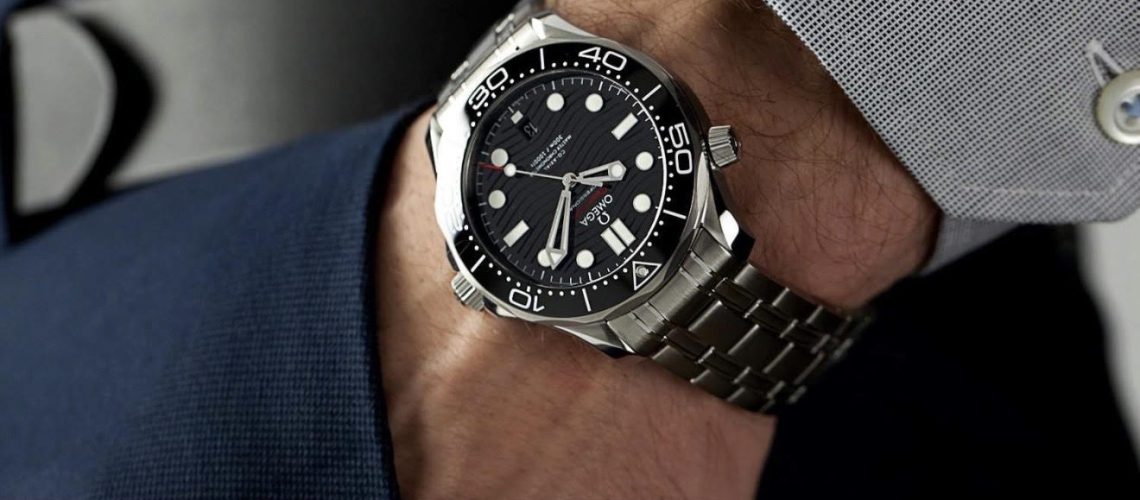

In a world that never slows down, most men end their day overstimulated, mentally fragmented, and disconnected from their own sense of rhythm. Notifications stack. Screens glow. Time blurs. The modern problem is not that we lack time. It is that we no longer feel it.
This is where a timepiece earns its place.
A watch is not productivity software. It is not a status app. It is not a dopamine loop. A watch is a physical anchor to the present moment. For many men, especially those who value control, structure, and internal calm, wearing a mechanical watch becomes a quiet ritual that grounds the nervous system after a hard day.
This article explores why watches ground us, how mechanical timekeeping differs psychologically from digital time, and why brands like Omega and Rolex resonate so deeply beyond luxury or investment.
The Problem: Modern Time Is Abstract and Aggressive
Digital time is hostile.
Phones do not show time as a continuum. They show it as a flashing demand. Every glance at your phone pulls in alerts, news, messages, and stressors. You do not observe time. You are assaulted by it.
After a long day, the brain needs:
- Predictability
- Physical grounding
- Sensory feedback
- A clear boundary between work and rest
Scrolling does the opposite.
A watch restores scale and proportion to time. It reminds you that time moves forward regardless of your inbox. That minutes pass whether you respond or not. That the day is ending, and that is allowed.
Why a Watch Grounds the Nervous System
1. Mechanical Time Is Tangible
A mechanical or automatic timepiece is powered by motion, tension, and release. When you wind a watch or feel the rotor move on your wrist, you are engaging with something real.
That physical interaction matters.
Psychologically, grounding techniques work because they reconnect the mind to the body. A watch does this passively, all day, without instruction.
- You feel its weight
- You hear its tick
- You see time move, not flash
This sensory loop slows breathing and reduces mental noise.
2. Watches Create Ritual, Not Reaction
Rituals signal safety to the brain.
Taking off your watch at night. Setting it down in the same place. Winding it in the morning. These actions create bookends around the day.
Unlike phones, watches do not demand attention. They wait.
That subtle shift from reaction to intention is grounding, especially after days filled with decisions, negotiations, conflict, or pressure.
3. Timepieces Reinforce Control Without Obsession
Control is not about domination. It is about orientation.
A watch reminds you:
- You know where you are in the day
- You are not late to your own life
- Time is passing at a manageable pace
Looking at a watch is a neutral check-in. Looking at a phone often becomes a spiral.
Men who wear watches consistently report feeling more composed, less scattered, and more deliberate in their evenings.
Why Mechanical Watches Work Better Than Smartwatches
Smartwatches claim to reduce phone use. In practice, they replicate it on your wrist.
Mechanical watches do the opposite.
They:
- Do one thing
- Do it reliably
- Never interrupt
A timepiece does not measure your stress. It reduces it.
There is no data loop. No vibration. No score. Just time, moving forward.
This simplicity is not nostalgic. It is corrective.
The Masculine Appeal of Mechanical Time
Masculinity, at its core, is about calm competence.
A good watch reflects:
- Self-command
- Respect for craft
- Comfort with silence
- Long-term thinking
You do not need to explain a watch. It does not justify itself. It exists, does its job, and keeps going.
That presence mirrors the grounded version of masculinity many men are trying to reclaim.
Omega: Precision as Psychological Stability
Omega represents measured confidence.
Omega watches are precise, legible, and engineered for reliability. The Speedmaster, famously worn on the moon, is not about flash. It is about trust under pressure.
After a hard day, an Omega on the wrist communicates:
- You value accuracy
- You respect engineering
- You trust systems that endure
The watch does not shout. It reassures.
Many men find Omega grounding because it emphasizes function first. It does not pull attention outward. It stabilizes inward.
Rolex: Consistency as Emotional Anchor
Rolex is often misunderstood.
Yes, it signals success. But more importantly, it signals continuity.
Rolex designs evolve slowly. Models remain recognizable across decades. When you wear a Rolex, you are wearing something intentionally resistant to change.
After a volatile day, that matters.
A Rolex Submariner or Datejust grounds you because:
- It looks the same every day
- It performs the same every day
- It does not care about trends
That consistency creates psychological safety. The watch becomes a constant when everything else feels negotiable.
Watches as Personal Boundaries
One overlooked benefit of wearing a watch is how it subtly enforces boundaries.
When you check your watch instead of your phone:
- You do not get pulled into messages
- You do not re-enter work mode
- You maintain mental separation
This is especially powerful in the evening.
A watch allows you to stay present in conversations, meals, and silence. It gives you awareness without intrusion.
That is grounding by design.
The Weight of a Timepiece Matters
Weight equals presence.
A substantial watch on the wrist reminds you of yourself. It is a physical counterbalance to mental fatigue.
This is why many men prefer steel sports watches over ultra-light pieces. The mass is calming. It anchors.
You are less likely to fidget. Less likely to dissociate. More likely to feel here.
Watches and Identity After a Hard Day
Hard days challenge identity.
Work stress, financial pressure, conflict, and responsibility can fragment how you see yourself. A watch reconnects you to a stable version of your identity.
It says:
- You are still you
- You still value quality
- You still operate on your terms
This is not ego. It is orientation.
A timepiece reminds you of your standards when circumstances try to erode them.
Choosing the Right Watch for Grounding
Grounding watches share common traits:
- Mechanical or automatic movement
- Clear, legible dial
- Solid case construction
- Minimal complications
Avoid:
- Excessive notifications
- Hyper-skeletonized dials
- Overly flashy finishes
The goal is calm, not stimulation.
Final Thoughts: Time as an Ally, Not an Enemy
Time is not the problem. Noise is.
A watch strips time down to its essentials. Seconds pass. Minutes follow. The day ends. Tomorrow arrives.
After a hard day, that reminder is powerful.
Whether it is an Omega built on precision or a Rolex built on consistency, a well-chosen timepiece becomes more than an accessory. It becomes a stabilizing force.
Not because it tells you what time it is.
But because it reminds you who you are when the day is over.