
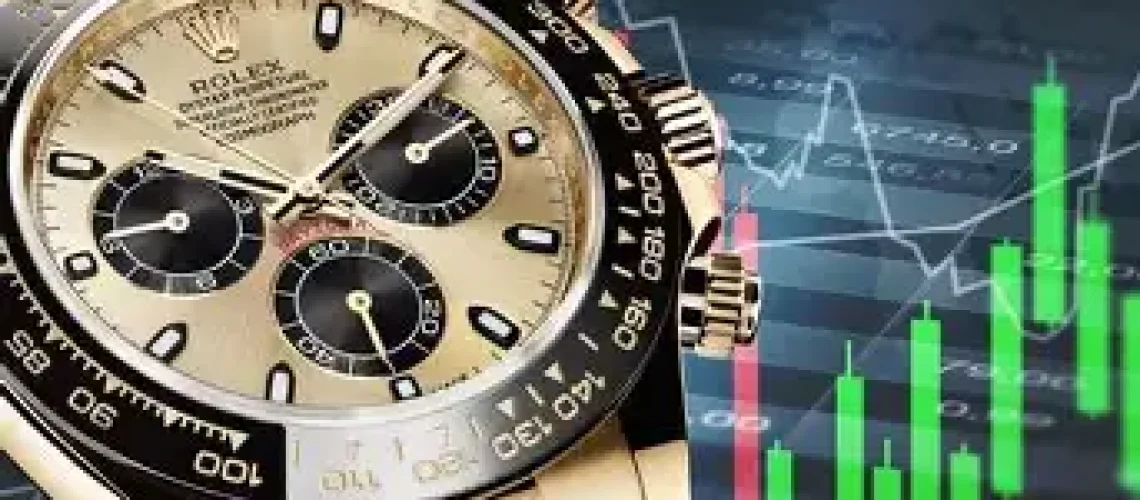

The Truth About Buying Watches for Profit
For years, the luxury watch industry has been flooded with one phrase:
“This watch is a great investment.”
Scroll through social media, browse YouTube, or walk into enough watch stores and you’ll hear it repeatedly. Certain Rolex models are “investments.” Limited editions are “investments.” Discontinued references are “investments.”
At first glance, it sounds reasonable.
After all, we’ve all seen stories of someone buying a Rolex Submariner years ago and selling it for twice what they paid. We’ve watched prices explode on watches like the Rolex Daytona, Patek Philippe Nautilus, and Audemars Piguet Royal Oak.
But here’s the uncomfortable truth:
Buying a watch primarily as an investment is often one of the most dangerous mindsets a collector can have.
Not because watches can’t appreciate.
Not because some watches don’t outperform expectations.
But because treating watches like guaranteed financial assets can lead to poor decisions, disappointment, and significant losses.
Let’s explore why.
Watches Are Not Traditional Investments
Before discussing specific brands or models, it’s important to define what an investment actually is.
Traditionally, investments generate one of three things:
- Income
- Cash flow
- Business growth
Stocks represent ownership in businesses.
Real estate can generate rental income.
Bonds pay interest.
Even a savings account generates some return.
A watch does none of these things.
A watch sits in a box.
It doesn’t produce cash flow.
It doesn’t pay dividends.
It doesn’t generate income while you own it.
The only way a watch becomes profitable is if another buyer is willing to pay more than you did in the future.
That’s speculation.
Not investing.
There is a difference.
The Pandemic Created Unrealistic Expectations
One of the biggest reasons collectors have unrealistic expectations today is because of what happened between 2020 and 2022.
During that period:
- Interest rates were near zero.
- Luxury spending exploded.
- Demand dramatically exceeded supply.
- Social media fueled hype.
- Dealers and flippers entered the market in record numbers.
Prices on many popular models skyrocketed.
Some examples included:
- Rolex Daytona
- Rolex GMT-Master II
- Patek Philippe Nautilus 5711
- Audemars Piguet Royal Oak 15500
Collectors watched watches appreciate faster than stocks, real estate, and many other assets.
Unfortunately, many people assumed this was normal.
It wasn’t.
It was one of the most unusual periods in modern luxury goods history.
Markets eventually cooled.
And many people discovered that prices can go down just as quickly as they went up.
Every Watch Has Two Prices
One of the most common mistakes new collectors make is looking at asking prices.
They see a watch listed for $15,000 and assume it’s worth $15,000.
But every watch really has two prices:
The Asking Price
What someone wants.
The Selling Price
What someone will actually pay.
The gap between those numbers can be substantial.
A watch listed for $15,000 may ultimately sell for:
- $14,000
- $13,500
- $13,000
Or less.
Many collectors only see the listing.
They never see the negotiation.
They never see the wholesale offers.
They never see the dealer margins.
As a result, they overestimate their watch’s value.
Liquidity Matters More Than Most People Think
Imagine you own a stock.
You can often sell it instantly during market hours.
Imagine you own a house.
You may sell it within weeks or months.
Now imagine you own a luxury watch.
Finding the right buyer can take:
- Days
- Weeks
- Months
- Occasionally years
This is called liquidity risk.
Many collectors discover that a watch worth $20,000 on paper becomes worth much less when they need cash immediately.
If you need to sell quickly, you’re often accepting wholesale pricing rather than retail pricing.
That difference can be thousands of dollars.
Trends Change Faster Than Collectors Expect
Another reason “investment watch” thinking is dangerous is because trends change.
Fast.
Collectors often assume today’s desirable watches will remain desirable forever.
History suggests otherwise.
Watch collecting has always experienced trends.
At different points collectors obsessed over:
- Oversized watches
- Vintage chronographs
- Military watches
- Integrated bracelet sports watches
- Skeletonized dials
- Independent brands
Some categories become incredibly hot.
Then they cool.
Sometimes dramatically.
A watch’s popularity today does not guarantee popularity ten years from now.
Limited Edition Does Not Mean Valuable
This is perhaps one of the biggest myths in the watch industry.
Many buyers hear:
“Limited Edition”
And immediately assume future appreciation.
But scarcity alone creates no value.
If a brand produces 500 watches nobody wants, they’re still unwanted.
True value comes from:
- Brand strength
- Collector demand
- Historical significance
- Design appeal
- Market timing
Many limited editions ultimately trade below retail.
Collectors who buy solely because a watch is “limited” often learn this lesson the hard way.
Emotional Purchases Become Financial Problems
The phrase “investment watch” often gives people permission to overspend.
We’ve all heard versions of:
“I know it’s expensive, but it’s an investment.”
The problem?
Most people are actually making an emotional purchase while pretending it’s a financial decision.
When the market rises, this feels smart.
When the market falls, reality arrives.
Luxury watches should generally be purchased with discretionary money.
Not rent money.
Not emergency savings.
Not retirement funds.
If you need a watch to appreciate in order for the purchase to make sense, you’re probably taking on too much risk.
Even Rolex Is Not Guaranteed
No discussion would be complete without talking about Rolex.
Rolex remains one of the strongest luxury brands in the world.
Models such as the:
- Rolex Submariner
- Rolex GMT-Master II
- Rolex Daytona
- Rolex Explorer
have historically held value exceptionally well.
However, “holds value well” and “guaranteed investment” are completely different concepts.
Many Rolex references have experienced periods of:
- Stagnation
- Decline
- Multi-year plateaus
Even great brands move in cycles.
No brand is immune from market forces.
The Hidden Costs Nobody Talks About
Many investment-watch discussions ignore ownership costs.
These can include:
Service Costs
Luxury watches require maintenance.
A major service can cost hundreds or even thousands of dollars.
Insurance
Higher-value collections often require dedicated insurance coverage.
Opportunity Cost
Money tied up in watches cannot be used elsewhere.
Transaction Fees
Selling through marketplaces often involves fees.
Shipping and Authentication
Additional costs can reduce profits further.
These expenses eat into returns.
Many collectors fail to account for them.
The Best Collectors Think Differently
Interestingly, the collectors who do best financially often aren’t chasing investments at all.
They focus on:
- Buying what they genuinely enjoy
- Learning market history
- Understanding brands deeply
- Purchasing quality examples
- Exercising patience
As a result, they naturally avoid many mistakes.
Their primary goal isn’t profit.
Their primary goal is collecting intelligently.
Ironically, that often leads to better financial outcomes.
A Better Way to Think About Watch Ownership
Instead of asking:
“Will this watch make me money?”
Try asking:
Do I genuinely love this watch?
Would I still want it if prices fell 20%?
Can I comfortably afford it?
Would I enjoy wearing it regularly?
Does it fit my collection?
Those questions lead to healthier decisions.
Because at the end of the day, a watch is first and foremost:
- A piece of craftsmanship
- A mechanical object
- A design statement
- A personal accessory
- A collectible
Anything beyond that is a bonus.
The Watches Most Likely to Hold Value
While no watch is guaranteed to appreciate, certain characteristics tend to support long-term demand:
Strong Brand Recognition
Brands with decades of collector demand generally perform better.
Examples include:
- Rolex
- Patek Philippe
- Audemars Piguet
Iconic Designs
Timeless designs often outlast trends.
Original Condition
Unpolished, complete examples typically command stronger demand.
Complete Sets
Box, papers, accessories, and documentation matter.
Historical Relevance
Certain references become collectible because they represent meaningful moments in horological history.
Even then, nothing is guaranteed.
Final Thoughts
The luxury watch industry loves the phrase “investment watch” because it helps justify purchases.
But the reality is much more complicated.
Some watches appreciate.
Some watches hold value.
Some watches lose money.
Many do all three at different points in their lifecycle.
The most successful collectors understand a simple principle:
Buy watches because you love them.
If they appreciate, that’s wonderful.
If they hold value, that’s great.
But if your entire purchase decision depends on future profits, you’re no longer collecting watches.
You’re speculating on market behavior.
And speculation is far riskier than most people realize.
The best watch in your collection isn’t necessarily the one that gains the most value.
It’s the one you’d still be happy to own even if the market price never moved at all.