
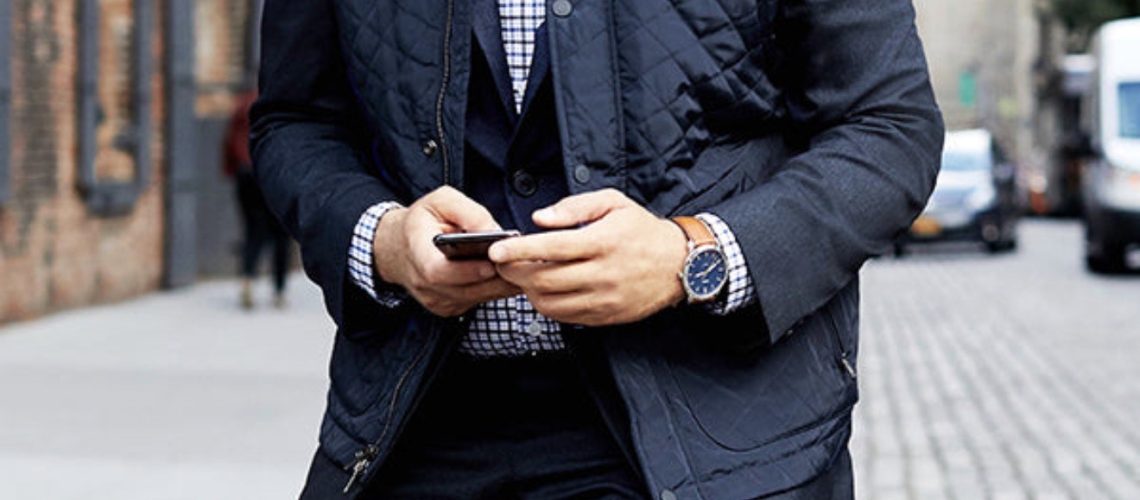

Airports are not casual environments. They are controlled, compressed systems designed to move large volumes of people through narrow choke points under stress. Every detail is magnified. Every behavior is observable. And every signal you send, whether intentional or not, is read by someone.
That includes your watch.
In recent years, the airport has become one of the most misunderstood stages in modern watch culture. Social media has framed it as a flex zone. Lounges, boarding passes, espresso martinis, and a stainless steel sports watch in perfect lighting. The reality is more complex, and far less forgiving.
At Tailored Timepieces, we approach watches as tools first, assets second, and expressions of taste last. That philosophy matters more at the airport than anywhere else.
So let’s answer the question directly.
Is strong wrist game at the airport a power move, or is it unnecessary risk?
The correct answer depends on discipline.
Why the Airport Is a Different Kind of Environment
An airport is not a restaurant. It is not an office. It is not a private club.
It is a public system with:
- High foot traffic
- Predictable movement patterns
- Forced proximity to strangers
- Fatigue, distraction, and stress baked in
From curbside to baggage claim, your movement is linear and observable. You stand still in lines. You sit next to people you did not choose. You are often tired, rushed, or mentally elsewhere.
That combination makes the airport one of the most exposure-heavy environments for any visible luxury item.
This does not mean wearing a luxury watch is wrong. It means the margin for error is thinner.
Watches as Signals in Transit
A watch is always a signal. At the airport, that signal is amplified.
People have time to look. People are bored. People are already sorting themselves into visible categories: boarding group numbers, lounge access, premium cabins.
Your watch becomes part of that sorting process.
The key distinction is intentionality versus normalcy.
The Normal Wearer
This is the collector or professional who:
- Wears the same watch daily
- Moves through the airport without adjusting behavior
- Keeps sleeves natural and relaxed
- Does not reference the watch socially or visually
On this person, a watch looks like equipment. It reads as ownership.
The Display Wearer
This is the person who:
- Chooses the watch specifically for the airport
- Exposes the wrist deliberately
- Handles the watch frequently
- Treats the airport as a backdrop
On this person, the same watch looks like a performance.
At Tailored Timepieces, we see this difference constantly. The watch does not change. The behavior does.
Which Watches Make Sense for Air Travel
Not all watches carry the same risk profile. Materials, recognizability, and design matter.
Steel Sports Watches
This category exists for movement. Properly chosen, these are the most defensible airport watches.
Examples include professional models from Rolex and Omega.
Why they work:
- Steel reflects less attention than gold
- Tool watches signal function, not spectacle
- They sit flatter and wear more comfortably
- They are common enough to reduce novelty risk
That said, recognizability still matters. A hyped, pristine example draws more attention than a well-worn daily piece.
A watch that looks lived-in is safer than one that looks showroom fresh.
Precious Metal Watches
Gold changes the equation immediately.
Full gold bracelets and cases:
- Reflect light aggressively
- Signal value instantly
- Are recognizable even to non-enthusiasts
- Increase downside without adding utility
From a risk-management standpoint, gold watches at the airport rarely make sense unless fully concealed and worn out of habit.
From a taste standpoint, they often read as out of place.
Diamond-Set or Modified Watches
This is where discipline ends.
Diamond bezels, aftermarket parts, oversized cases, or custom pieces:
- Attract the wrong kind of attention
- Signal performance rather than purpose
- Increase both physical and reputational risk
At Tailored Timepieces, we are direct about this. These pieces do not belong in transit environments.
Lounges Do Not Eliminate Risk
Lounges feel safe. They are quieter. Cleaner. More controlled.
That creates complacency.
Lounges concentrate:
- High-value individuals
- Expensive accessories
- Relaxed behavior
This is where mistakes happen. Jackets come off. Watches are set on tables. Attention drifts.
If you wear a valuable watch into a lounge, it should remain on your wrist. Removing it casually is one of the most common and unnecessary errors we see.
Comfort is not the same as control.
The Real Power Move: Consistency and Restraint
The strongest wrist game at the airport is not about the watch itself.
It is about consistency.
A man who wears the same watch everywhere, including the airport, projects confidence. The watch looks like part of his life, not a costume chosen for a moment.
A man who only wears certain watches when he expects to be seen sends a different message.
Power is not volume. It is ease.
Practical Risk Discipline for Watch Owners
If you choose to travel with a luxury watch, discipline matters more than bravado.
Basic rules:
- Keep sleeves natural and relaxed
- Avoid unnecessary handling
- Do not remove the watch in public spaces
- Stay alert during security and boarding
- Avoid posting real-time travel photos
- Match the watch to the trip, not the ego
At Tailored Timepieces, we think of this as quiet ownership. You are not hiding the watch. You are not advertising it either.
Tailored Timepieces Verdict
Wearing a luxury watch at the airport is not inherently a power move or a mistake.
It becomes one or the other based on:
- The watch itself
- The environment
- The behavior of the wearer
Steel tool watches worn naturally tend to project confidence and discipline. Flashy, performative pieces introduce unnecessary risk without adding meaning.
The airport rewards restraint. It punishes ego.
That is not opinion. That is pattern recognition.
Questions and Answers
Is it safe to wear a luxury watch at the airport?
It can be, depending on the watch, the airport, the time of day, and situational awareness. No public transit environment is risk-free.
Are steel watches better for travel than gold watches?
Yes, in most cases. Steel attracts less attention, is more durable, and signals practicality rather than display.
Should I remove my watch during TSA screening?
Only when required and only briefly. Place it directly into a tray or bag and retrieve it immediately.
Do airport lounges make wearing a luxury watch safer?
They reduce crowd pressure but increase complacency. Risk shifts rather than disappears.
Is wearing a Rolex at the airport considered a flex?
It depends on behavior. Worn naturally, it reads as normal. Displayed intentionally, it reads as insecurity.
What is the safest type of watch to travel with?
A watch you wear daily, that does not attract excessive attention, and that you are comfortable managing in public.
Should I travel with my most valuable watch?
Only if you accept the added responsibility. Higher value increases consequences, not enjoyment.
Is leaving watches at home the safest option?
Objectively, yes. Practically, many collectors choose controlled risk instead of avoidance.
Does watch size affect risk?
Yes. Larger watches draw more attention and reflect light more easily, increasing visibility.
What is the biggest mistake people make with watches at airports?
Treating the airport like a stage instead of a transit system.